Complete Guide to Surveying Listed Buildings in London
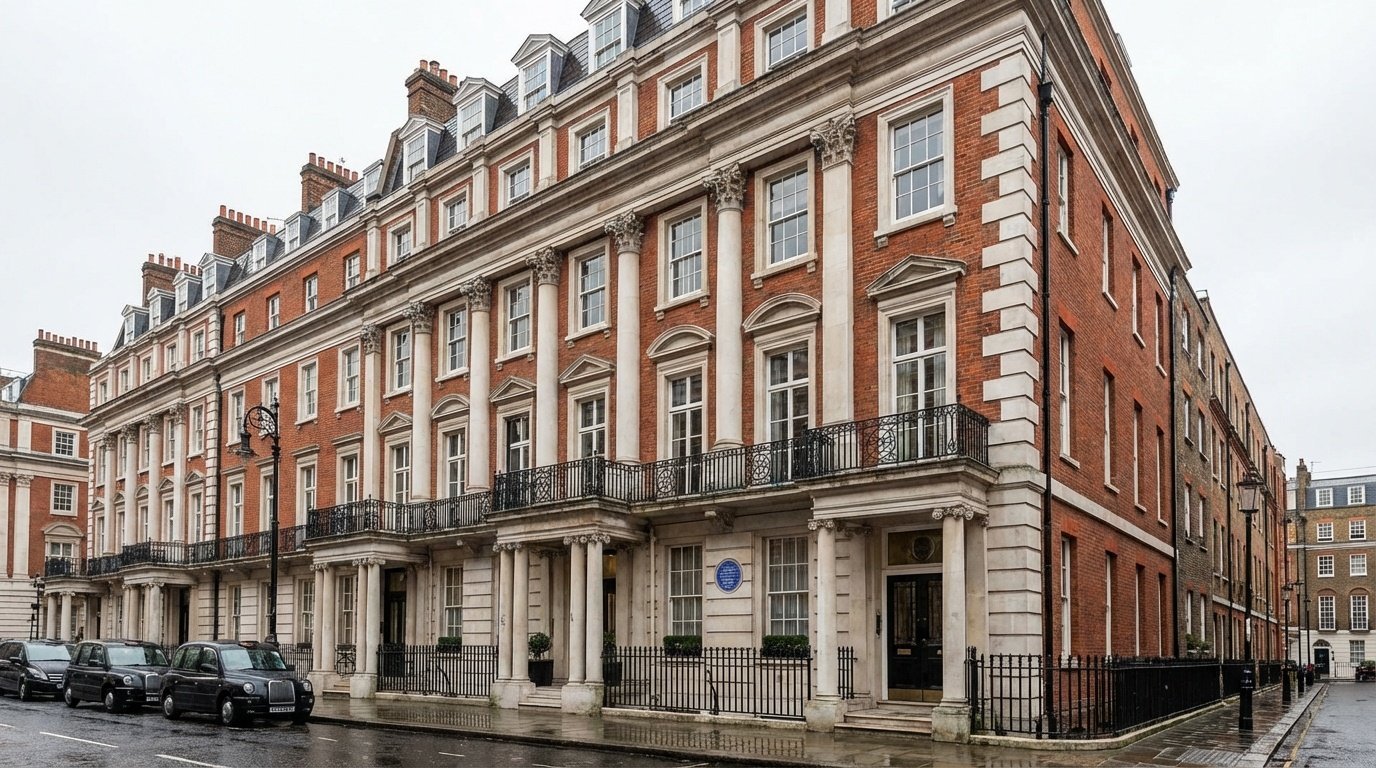
Listed buildings in London require special surveying expertise from chartered surveyors who understand historic construction methods and conservation principles. Our RICS surveyors specialize in heritage properties across the capital, providing detailed reports that help homebuyers make informed decisions about these unique buildings.
London has over 18,000 listed buildings, from grand Georgian townhouses to Victorian terraces and medieval structures. These properties offer incredible character and history, but they also come with unique challenges that make a professional building survey absolutely essential. Standard Level 2 surveys simply aren't detailed enough for listed properties—you need expert surveyors who specialize in historic buildings.
What Makes a Building "Listed"?
A listed building is one that's been placed on the Statutory List of Buildings of Special Architectural or Historic Interest. Historic England maintains the list, identifying buildings worth protecting for future generations. In London, you'll find listed buildings in every borough, from the grand houses of Kensington to workers' cottages in Hackney.
The Three Grades of Listed Buildings:
Grade I (2.5% of listings): Buildings of exceptional interest. Think St Paul's Cathedral, the Tower of London, or exceptional Georgian mansions. These are nationally important structures.
Grade II* (5.8% of listings): Particularly important buildings of more than special interest. Many significant London townhouses, churches, and public buildings fall into this category.
Grade II (91.7% of listings): Buildings of special interest. This includes most listed residential properties that homebuyers encounter—Victorian terraces, Georgian houses, Edwardian villas, and interesting 20th-century buildings.
The grade affects what alterations you can make, but all listed buildings require Listed Building Consent for most changes. Our chartered building surveyors help clients understand these restrictions before they buy a property.
Why Listed Buildings Need Level 3 Building Surveys
Never buy a listed building with just a basic valuation or Level 2 survey. Listed buildings have unique construction methods, materials, and potential issues that require the comprehensive inspection that only a Level 3 building survey provides.
What Makes Listed Buildings Different:
1. Traditional construction methods: Historic buildings were built using techniques vastly different from modern construction. Solid walls (not cavity walls), lime mortar (not cement), traditional timber framing, and handmade materials require specialist knowledge to assess properly.
2. Unique materials: Listed buildings may contain horsehair plaster, hand-made bricks, oak beams, slate roofing, and period ironwork. Our RICS surveyors understand how these materials age and what defects to look for.
3. Previous alterations: Many listed buildings have centuries of modifications, not all of them sympathetic or structurally sound. A detailed survey identifies where previous work may have caused problems or where modern materials have been inappropriately used.
4. Maintenance requirements: Historic buildings need ongoing maintenance using appropriate materials and methods. Our chartered surveyors provide detailed guidance on proper maintenance to protect your investment.
5. Planning restrictions: Listed building consent affects what repairs and improvements you can make. A comprehensive survey helps you understand the condition of protected features and what work might be needed.
Common Issues in Listed Properties
Our team of London surveyors regularly encounters these issues when surveying heritage buildings:
1. Inappropriate Previous Repairs
One of the biggest problems we see is previous owners or builders using modern materials where traditional ones were needed. Portland cement pointing on brickwork built with lime mortar is a classic example. Cement is harder and less breathable than lime, trapping moisture and causing the bricks themselves to deteriorate.
Real example: We surveyed a Grade II listed Victorian house in Camden where someone had repointed the entire front elevation with cement mortar. The facing bricks were crumbling—a phenomenon called "spalling"—because moisture couldn't escape. The repair cost was £25,000 to rake out all the cement and repoint properly with lime mortar.
2. Movement and Settlement
Old buildings move. It's normal. Solid wall construction on shallow foundations means some settlement is expected over centuries. Our expert surveyors distinguish between historic movement (usually stable) and progressive movement (potentially serious).
Signs we look for: Cracking patterns, level changes, door and window distortion, and evidence of previous repairs. We use crack monitors when necessary to determine if movement is ongoing.
3. Damp Issues
Historic buildings weren't built with damp-proof courses. They were designed to breathe, allowing moisture to evaporate naturally through lime mortar and soft bricks. Problems arise when:
- Modern impermeable materials trap moisture
- Ground levels have risen over centuries
- Ventilation has been reduced
- Inappropriate "damp-proofing" has been installed
Our RICS surveyors understand historic building construction and know how to identify genuine damp problems from normal moisture behavior in breathable walls. We've seen too many listed buildings damaged by damp-proof courses injected into solid walls that didn't need them.
4. Timber Decay and Infestation
Period properties contain substantial amounts of structural timber: floor joists, roof timbers, lintels, and decorative elements. Our chartered building surveyors check for:
- Woodworm: Active infestations can weaken structural timbers
- Wet rot: Caused by excessive moisture, affecting timbers in contact with damp
- Dry rot: A serious fungal attack that can spread through masonry
- Structural weakness: Notched joists, overloaded beams, or inadequate supports
Level 3 surveys allow us to inspect roof spaces, under floors, and other areas where timber condition can be properly assessed. We use moisture meters and often recommend further specialist timber surveys when necessary.
5. Roof Problems
Historic roofs are complex structures, often with multiple layers and alterations over time. Common issues include:
- Original slate roofing reaching the end of its life (100-150 years)
- Inadequate or failed roof valleys
- Movement in roof structures due to timber decay or overloading
- Lead work failures at parapets and chimneys
- Hidden alterations or bodged previous repairs
Cost consideration: Reroofing a listed building can cost £50,000-£150,000+ because you may need to use matching materials like reclaimed slate or traditional clay tiles. Our detailed surveys help you budget for these significant expenses.
6. Services and Modern Living
Listed buildings were built before electricity, gas, and modern plumbing. Retrofitting services is challenging:
- Electrical wiring may be old, inadequate, or unsafe
- Plumbing might be antiquated lead or iron pipework
- Heating systems may be inefficient or poorly designed
- Insulation is usually minimal or non-existent
Our London surveyors identify these issues and estimate costs for bringing services up to modern standards while respecting the building's historic fabric and obtaining necessary Listed Building Consent.
What a Level 3 Survey Covers for Listed Buildings
A Level 3 building survey (formerly called a full structural survey) is comprehensive and detailed. When surveying listed buildings, our chartered building surveyors provide:
Detailed External Inspection:
- Roof coverings, structure, and rainwater goods
- Walls, pointing, and render (where present)
- Windows, doors, and architectural features
- Chimneys, parapets, and decorative elements
- Foundations (where visible)
- Boundary walls and outbuildings
Comprehensive Internal Inspection:
- Roof spaces (accessible areas)
- Ceilings, walls, and decorative plasterwork
- Floors and subfloor areas (where accessible)
- Period features: fireplaces, moldings, paneling
- Services: electrical, plumbing, heating
- Dampness testing and identification
- Timber inspection for decay and infestation
What Makes Our Surveys Different:
Our RICS surveyors don't just identify problems—we understand the historic context. We know that not every crack is serious, that some movement is normal, and that traditional materials behave differently from modern ones. Our detailed reports explain:
- What problems exist and their likely causes
- Which issues are urgent and which can wait
- Appropriate repair methods using sympathetic materials
- Estimated repair costs to help you budget
- Maintenance advice specific to historic buildings
- Planning implications for listed building consent
The Cost of Surveying Listed Buildings
Level 3 surveys for listed buildings typically cost more than standard surveys because they require:
- More time on site (usually a full day or more)
- Specialist knowledge of historic construction
- More detailed reporting
- Often specialist equipment (endoscopes, moisture meters)
Typical costs in London:
- Small period cottage or flat: £800-£1,200
- Medium Victorian or Georgian house: £1,200-£2,000
- Large or complex listed property: £2,000-£4,000+
These fees may seem high, but consider that our surveys regularly identify issues costing £20,000-£100,000+ to fix. The survey is the cheapest and most important investment you'll make when buying a listed property.
Real-World Example: Georgian House in Greenwich
Last year, our chartered surveyors conducted a Level 3 survey on a Grade II listed Georgian townhouse. The property looked beautiful—period features throughout, recently decorated, and priced at £1.2 million. Here's what we found:
The Good:
- Original features well preserved
- Recent redecoration to a high standard
- Roof in reasonable condition with 15-20 years of life remaining
The Problems:
1. Cement repointing: The entire facade had been repointed with cement mortar, causing brick face spalling. Cost to rectify: £35,000.
2. Structural movement: Historic settlement had caused significant cracking. While stable, repairs would require lime plastering and making good to period features. Cost: £15,000.
3. Damp cellar: The basement had been tanked (waterproofed internally) rather than addressing the source of water ingress. This is a temporary solution that was failing. Proper external drainage and breathable limecrete floors needed. Cost: £40,000.
4. Services: The electrical installation was 40+ years old and unsafe. The boiler was failing. Cost for rewiring and new heating: £25,000.
5. Timber issues: Ground floor joists showed signs of wet rot where they entered damp walls. Cost for timber treatment and repairs: £12,000.
Total issues identified: £127,000 in necessary repairs.
Outcome: Armed with our detailed survey report, our clients renegotiated the purchase price down by £100,000. They bought the property for £1.1 million instead of £1.2 million, meaning the £1,800 survey fee saved them £98,200. They're now addressing the issues properly using appropriate materials and specialist contractors.
Buying a Listed Building: Key Considerations
Listed building ownership isn't for everyone. Before you buy a property, consider these factors:
1. Running Costs Are Higher
Historic buildings are more expensive to maintain, heat, and insure. Single glazing, solid walls, and no insulation mean higher energy bills. Specialized repairs using traditional materials and skilled craftspeople cost more than modern construction.
2. You Can't Make Changes Freely
Listed Building Consent is required for most alterations, internal and external. Even "minor" changes like replacing windows or adding a bathroom can require formal consent. Our RICS surveyors can advise on what restrictions apply.
3. Mortgage Lenders Are Cautious
Some mortgage lenders won't lend on listed buildings, especially those in poor condition or Grade I properties. Others may require more detailed surveys or specialist valuations. Our chartered building surveyors prepare reports that lenders accept.
4. Insurance Can Be Costly
Listed building insurance is specialized and more expensive because repairs must use matching materials and specialist tradespeople. Shop around for insurance before you commit to buying.
5. But The Rewards Are Significant
Despite the challenges, owning a listed building is incredibly rewarding. You're custodian of a piece of history, living in a home with character that modern properties can never match. Property values of well-maintained listed buildings have historically outperformed the general market.
Questions to Ask Your Surveyor
When appointing surveyors for a listed building, ensure they have relevant experience:
- How many listed buildings have you surveyed?
- Do you have specialist knowledge of historic construction?
- Are you familiar with Listed Building Consent requirements?
- Can you recommend specialist contractors for identified repairs?
- Will you provide cost estimates for necessary work?
- Can you advise on appropriate repair methods and materials?
Our team of London surveyors specializes in historic buildings. We're RICS chartered surveyors with extensive experience surveying listed properties across all grades and periods throughout London.
After the Survey: Next Steps
Once you receive your building survey report, you have several options:
1. Proceed as Planned
If the survey identifies only minor issues or everything is as expected, continue with your purchase knowing you understand the property's condition.
2. Renegotiate the Price
Use the survey to negotiate a lower purchase price reflecting the cost of necessary repairs. Most sellers of listed buildings expect some negotiation after the survey.
3. Ask for Repairs Before Completion
For urgent issues, you might ask the seller to carry out repairs before you complete. However, ensure they use appropriate contractors—inappropriate repairs can make problems worse in listed buildings.
4. Walk Away
If the survey reveals more problems than you're willing to take on, you can pull out. This is disappointing, but it's far better than buying a property with £100,000+ of unforeseen repairs needed.
Maintaining Your Listed Building
Once you buy a listed property, regular maintenance is essential. Our chartered surveyors provide detailed maintenance advice including:
- Annual checks: Roofs, rainwater goods, pointing, and external timbers
- Regular maintenance: Gutter cleaning, redecorating external joinery, checking for damp
- Appropriate materials: Using lime mortar, breathable paints, and traditional methods
- Finding specialists: Locating skilled craftspeople experienced with historic buildings
- Planning ahead: Budgeting for major repairs before they become emergencies
Remember: Little and often is better than neglect followed by major repairs. Regular maintenance protects your investment and prevents small issues becoming big problems.
Why Choose Our Listed Building Survey Service?
Our team of RICS chartered surveyors brings specialist knowledge to every listed building survey:
- Extensive experience: We've surveyed hundreds of listed buildings across London, from medieval timber frames to Victorian terraces
- Specialist knowledge: We understand traditional construction methods, appropriate materials, and conservation principles
- Detailed reporting: Our reports don't just identify problems—we explain causes, solutions, and costs
- Local expertise: We know London's building stock, from Georgian Bloomsbury to Victorian Battersea
- RICS accredited: Full professional qualifications and insurance
- Clear communication: We explain complex issues in plain English and are available to discuss findings
We're passionate about historic buildings and committed to helping homebuyers make informed decisions. Whether you're looking at a Grade I mansion or a Grade II Victorian terrace, our expert surveyors provide the detailed survey you need.
Planning to Buy a Listed Building?
Get a comprehensive Level 3 survey from specialist surveyors who understand historic properties
Book Your Listed Building Survey