Buying in Conservation Areas: Rules, Restrictions and What You Need to Know
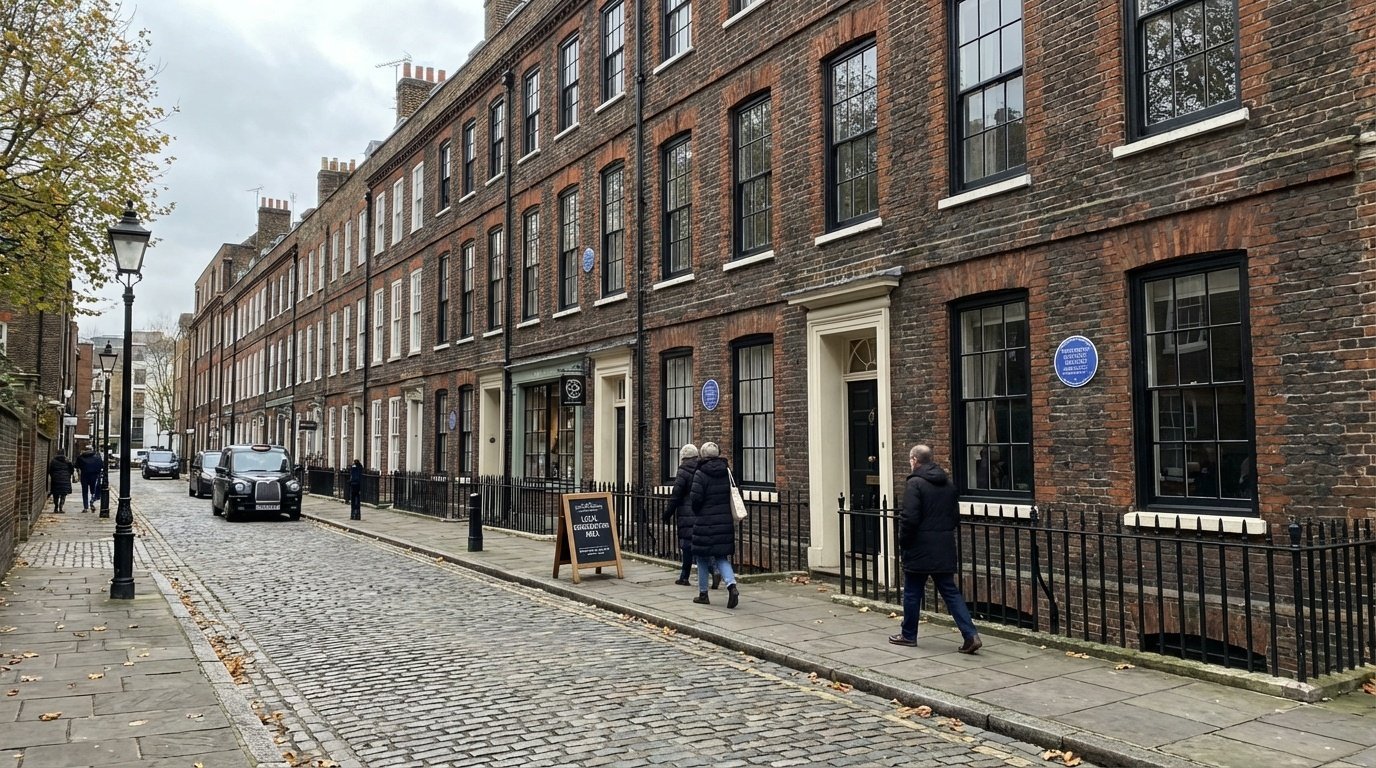
Over 1,000 conservation areas across London protect the capital's most cherished architectural heritage. If you're considering buying property in one of these protected zones, you're acquiring more than a home—you're becoming a custodian of an area deemed of "special architectural or historic interest." While conservation status brings prestige and protection, it also imposes significant restrictions that every buyer must understand before committing.
Our RICS surveyors regularly assess properties in London's conservation areas, from Georgian squares in Westminster to Victorian terraces in Hackney. This guide explains exactly what conservation area designation means for property owners, what you can and cannot do, and how restrictions affect both renovation costs and property values.
What Are Conservation Areas?
Conservation areas are designated by local planning authorities under the Planning (Listed Buildings and Conservation Areas) Act 1990. They identify areas where the combined architectural and historic environment creates special character worth preserving and enhancing.
Key Facts About Conservation Areas
- Over 1,000 conservation areas across London's 32 boroughs
- Each has unique character: Georgian squares, Victorian suburbs, industrial heritage, riverside locations
- Individual buildings don't need to be listed - it's the collective environment that matters
- Designation varies by council: Each local authority manages its own conservation areas with specific guidance
- Boundaries can be extended or amended as areas evolve
What Conservation Status Aims to Protect
Conservation areas typically protect:
- Architectural coherence and street scenes
- Historic building materials and features
- Trees and green spaces
- Views and vistas of significance
- The relationship between buildings and public spaces
- Historic street patterns and layouts
The goal is preserving an area's special character for future generations while allowing sympathetic change and development.
Planning Restrictions: What You Cannot Do Without Permission
Conservation area status removes many "permitted development rights" that normally allow homeowners to make alterations without planning permission.
External Alterations Requiring Planning Permission
In conservation areas, you typically need planning permission for:
- Roof Alterations:
- Dormer window additions
- Roof material changes
- Rooflights visible from public streets
- Loft conversions affecting roof profile
- Window and Door Replacements:
- Changing window styles or materials (e.g., timber to UPVC)
- Altering window sizes or positions
- Front door replacements that change appearance
- New windows in side or rear walls facing public highways
Cost impact: Planning applications £206-£462, plus architect/planning consultant fees £500-£1,500. Timber sash windows cost 40-60% more than UPVC (£800-£1,200 per window vs £400-£600).
- External Walls and Cladding:
- Rendering or cladding previously unrendered walls
- Painting previously unpainted brickwork
- External insulation systems
- Stone or brick cleaning
- Chimneys:
- Removing chimney stacks visible from the street
- Altering chimney pot arrangements
- Installing flues through existing stacks
- Satellite Dishes and Antennae:
- Dishes on front elevations or chimneys
- Dishes exceeding size limits (smaller in conservation areas)
- Multiple dishes
Solution: Rear elevation dishes or communal systems for flatted buildings.
- Solar Panels:
- Panels on front or side roofs visible from public areas
- Panels projecting above roof line
- Panels on walls facing highways
Many conservation areas restrict or prohibit solar panels on street-facing elevations, impacting energy efficiency improvements.
- Garden Walls and Boundaries:
- Building walls/fences over 1 meter facing highways
- Building walls/fences over 2 meters elsewhere
- Gates and entrance features
- Removing historic railings or walls
- Hardstanding and Driveways:
- Creating new vehicle access
- Paving front gardens
- Removing front boundary walls for driveways
Demolition Controls
In conservation areas, you need "conservation area consent" (now planning permission) to demolish:
- Any building or structure over 115 cubic meters
- Walls, gates, and railings over 1 meter high fronting a highway
- Outbuildings and garden structures in some areas
This is strictly controlled. Many applications to demolish buildings that contribute to the conservation area's character are refused.
Tree Protection
Conservation areas provide automatic protection for trees:
- Six-week notice required for felling, topping, lopping, or uprooting trees over 75mm diameter (measured at 1.5m height)
- Council can serve Tree Preservation Orders (TPOs) during notice period
- Pruning dead wood or removing dangerous trees exempt (but requires evidence)
- Fines up to £20,000 for unauthorized tree work
What You CAN Do Without Planning Permission
Not everything requires permission in conservation areas:
Internal Alterations
Unless your property is also listed, internal alterations generally don't need permission:
- Removing or adding internal walls (subject to Building Regulations)
- Installing new kitchens and bathrooms
- Changing internal finishes and decorations
- Updating electrical and plumbing systems
- Installing modern heating systems
Important: If your property is both in a conservation area AND separately listed, internal alterations require Listed Building Consent.
Rear Extensions (With Limitations)
Some rear extensions may proceed under permitted development, but with tighter restrictions than normal:
- Single-storey extensions: Up to 3 meters for attached houses (normally 4 meters)
- Must not use materials that contrast significantly with the existing house
- Cannot have verandas, balconies, or raised platforms
Many councils issue Article 4 Directions in conservation areas removing permitted development rights for extensions entirely.
Minor Repairs and Maintenance
Like-for-like repairs using matching materials don't need permission:
- Replacing damaged roof tiles with matching materials
- Repairing brickwork with matching bricks and mortar
- Repointing using appropriate lime mortar
- Repairing or repainting existing window frames in same color and style
The Planning Application Process in Conservation Areas
Additional Requirements
Planning applications in conservation areas typically require:
- Heritage statement: Assessing impact on conservation area character (£500-£2,000 from specialist)
- Detailed drawings: More comprehensive than standard applications
- Materials specifications: Exact materials, colors, and finishes
- Photographic surveys: Context and street scene photographs
- Consultation: Greater neighbor notification and often local amenity societies
Decision Timescales
Conservation area applications often take longer:
- Standard target: 8 weeks (same as normal applications)
- Reality: 10-16 weeks common due to consultations and committee referrals
- Contentious applications: 6-12 months if called to committee or appeal
Likelihood of Approval
Success depends on proposals' sympathy to conservation area character:
- Sensitively designed proposals using appropriate materials: 70-80% approval rate
- Modern designs respecting traditional proportions: 50-60% approval rate
- Unsympathetic modern designs or inappropriate materials: 20-30% approval rate
Renovation Challenges and Costs
Conservation area status significantly impacts renovation costs:
Material Requirements
Many councils specify traditional materials matching existing:
- Windows: Timber sash or casement (UPVC usually refused)
- Timber sash windows: £800-£1,200 per window
- UPVC alternatives: £400-£600 per window
- Cost premium: 50-100%
- Roofing: Natural slate or clay tiles (concrete tiles often refused)
- Natural slate: £80-£120 per m²
- Concrete tiles: £40-£60 per m²
- Cost premium: 50-100%
- Brickwork: Matching original bricks for repairs
- Reclaimed period bricks: £800-£1,500 per 1,000
- Standard modern bricks: £400-£700 per 1,000
- Cost premium: 50-100%
- Lime mortar: Often required instead of cement mortar
- Specialist lime pointing: £65-£95 per m²
- Standard cement pointing: £40-£60 per m²
- Cost premium: 30-50%
Specialist Contractors
Traditional construction techniques require specialist skills:
- Heritage craftspeople charge premium rates (20-40% above standard trades)
- Sash window specialists, lime plasterers, and traditional roofers cost more
- Work takes longer due to traditional methods
- Limited contractor availability in your area
Restricted Modern Improvements
Some energy efficiency measures face restrictions:
- Double glazing: Must use slim-profile units in timber frames (less efficient than UPVC, costs 50% more)
- External wall insulation: Usually refused on street-facing elevations
- Solar panels: Often restricted to rear roofs only
- Air source heat pumps: May require planning permission for external units
Impact: Achieving modern EPC ratings (C or above) can be very challenging and expensive in conservation area properties.
Case Study: Victorian House Renovation in Conservation Area
Highgate Victorian Terrace
Property: 3-bed Victorian terrace in Highgate Conservation Area
Planned Works: Complete renovation including window replacement, rear extension, loft conversion
Planning Challenges:
- Original plan for UPVC windows refused - required timber sash with slim double glazing
- Proposed glass extension reduced to smaller traditional design with brick walls
- Loft dormer redesigned three times before approval
- Required heritage statement, design and access statement, materials samples
Cost Impacts:
- Planning fees and consultant advice: £3,500
- Window costs increased £8,000 (timber vs UPVC)
- Extension design changes: £6,000 additional
- Specialist contractors premium: £12,000
- Project delays (planning took 14 weeks): £4,000
Total Conservation Area Premium: £33,500
Benefits:
- Property character and period features retained
- Street scene coherence preserved
- Property value premium of £40,000-£60,000 for conservation area location
- Protection from unsympathetic neighboring developments
Outcome: Despite higher costs, conservation area location and sympathetic renovation delivered strong value appreciation. Property sold 18 months later for 12% above similar non-conservation properties nearby.
Benefits of Conservation Area Properties
While restrictions can be challenging, conservation areas offer significant benefits:
1. Property Value Premium
Conservation area properties typically command 5-15% premium over comparable properties outside designated areas:
- Central London prime areas: 10-15% premium
- Sought-after suburban conservation areas: 8-12% premium
- Less prestigious areas: 5-8% premium
Buyers pay more for architectural quality, heritage character, and protection from unsympathetic development.
2. Protection from Neighboring Development
Your neighbors face the same restrictions, preventing:
- Unsightly extensions that overlook your property
- Inappropriate modern designs destroying street character
- Demolition of buildings contributing to area's character
- Excessive satellite dishes and external clutter
3. Architectural Quality and Character
- Living in areas of recognized heritage significance
- High-quality original period features throughout streets
- Coherent architectural character and street scenes
- Tree-lined streets and mature landscaping
4. Planning Support for Appropriate Schemes
Well-designed proposals using appropriate materials receive planning officer support and often faster approvals than contentious schemes.
How Our RICS Surveys Assess Conservation Area Properties
Our building surveys on conservation area properties specifically address:
- Conservation area designation details: Confirming the property's conservation area and whether it's also listed
- Article 4 Directions: Identifying additional restrictions on your specific property
- Planning history: Previous applications and decisions affecting the property
- Appropriate repair methodologies: Recommending traditional techniques and materials
- Renovation feasibility: Assessing likelihood of planning approval for potential alterations
- Condition of heritage features: Windows, doors, original finishes requiring specialist repair
- Cost implications: Estimating premium for conservation-appropriate works
Frequently Asked Questions
Will conservation area status affect my mortgage?
Generally no - lenders treat conservation area properties like any other property of similar value. However, if the property also has severe disrepair issues requiring specialist restoration, some lenders may be cautious. The property's heritage status usually enhances rather than hinders mortgage availability.
Can I paint my house a different color?
External painting of previously painted surfaces generally doesn't need permission if you're not dramatically changing the color scheme. However, painting previously unpainted brickwork requires planning permission. Some conservation areas have specific color palette guidance. Check with your council's conservation officer before repainting.
What happens if I do work without permission?
Councils can serve enforcement notices requiring you to reverse unauthorized work at your expense. Maximum fine £20,000 per offense. Work may also need retrospective planning permission (often refused). Unauthorized alterations can affect property sales and prevent mortgage lending. Always check before starting work.
Are there grants available for conservation area repairs?
Some councils offer heritage grants for repairing buildings in conservation areas, though funding is limited. Historic England provides grants for exceptional buildings. More commonly available are interest-free loans for energy efficiency improvements. Check with your local conservation officer for available schemes.
Can conservation area status be removed?
Yes, but very rarely. Councils can de-designate conservation areas if character has been lost, but this is unusual. More commonly, boundaries are adjusted to remove areas that no longer merit protection. Property owners cannot request de-designation of individual properties.
Top Tips for Conservation Area Property Buyers
- Research restrictions before buying: Understand what you can and cannot do
- Review conservation area appraisal: Each area has guidance documents explaining special character
- Check for Article 4 Directions: Additional restrictions on specific properties
- Budget for higher renovation costs: Add 20-40% to standard renovation estimates
- Get pre-application advice: Before buying, discuss proposals with conservation officers (£100-£200)
- Commission detailed building survey: Understanding repair requirements for heritage properties
- Find conservation-experienced contractors: Get quotes from specialists familiar with traditional techniques
- Factor in longer timescales: Planning and specialist work take longer
Related Articles
Buying in a Conservation Area?
Our RICS surveyors have extensive experience assessing heritage properties in London's conservation areas. We provide detailed reports covering conservation-appropriate repairs, planning implications, and cost considerations.
Get Conservation Area SurveyHeritage property specialists • Planning advice • Reports within 48 hours