Property Surveys for Buy-to-Let Investors: Protecting Your Investment Returns
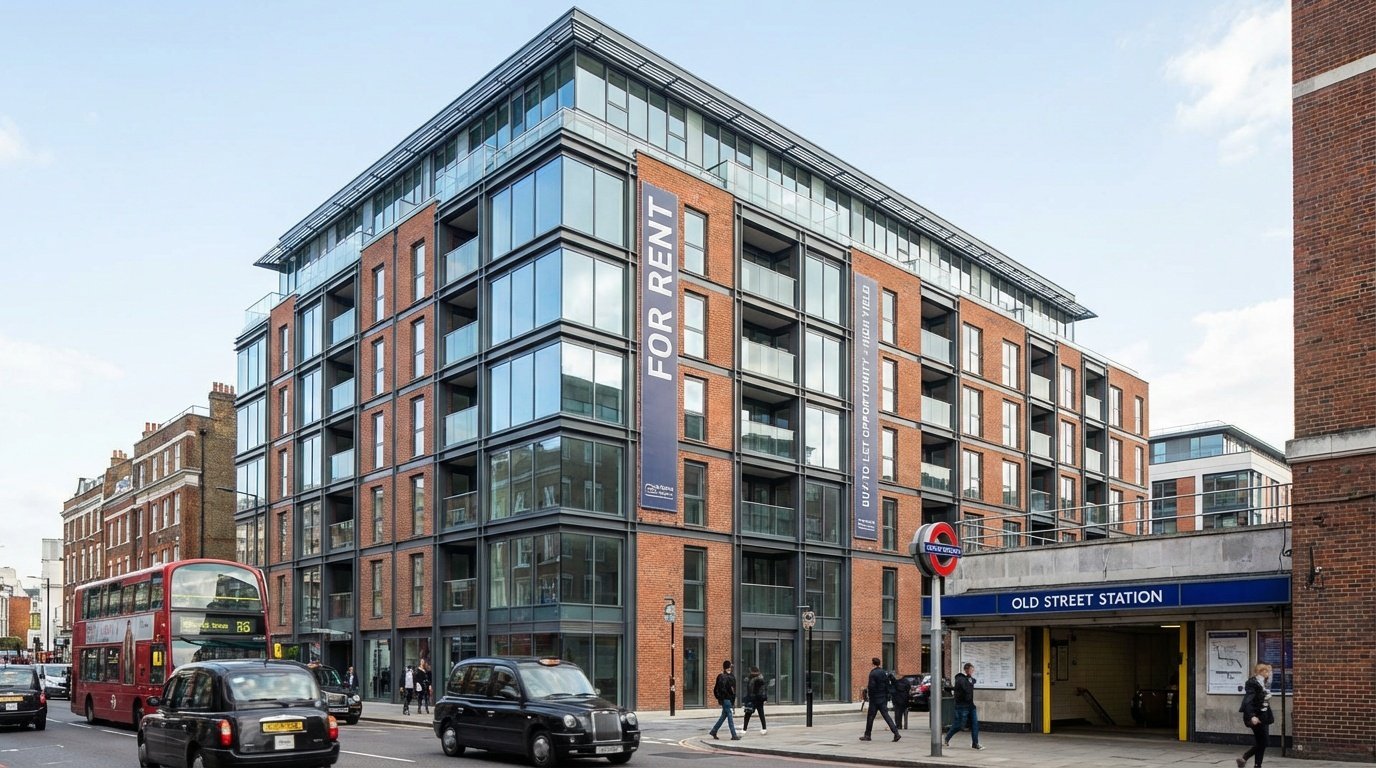
Investing in buy-to-let property requires a fundamentally different approach to surveys than purchasing a home for your own occupation. While homebuyers focus on comfort and personal preferences, investors must prioritize return on investment, maintenance costs, and rental compliance. A comprehensive survey isn't just due diligence—it's protecting your income stream and capital growth potential.
Our RICS surveyors work with property investors across London, from first-time landlords to portfolio holders. This guide explains exactly what buy-to-let investors need to check, how to calculate true rental yields, and why cutting corners on surveys is a false economy.
Why Buy-to-Let Surveys Differ from Residential Surveys
Investment properties require surveyors to assess different priorities:
For Owner-Occupiers
- Aesthetic appeal and personal taste
- Immediate livability and comfort
- Long-term family suitability
- Emotional connection to the property
For Buy-to-Let Investors
- Future maintenance costs that reduce net rental income
- Legal compliance for rental standards
- Tenant appeal and rental demand factors
- Capital preservation and appreciation potential
- Running costs including utilities, insurance, management
- Renovation ROI potential for value-add opportunities
An investor-focused survey goes beyond structural condition to assess the property as a business asset.
Investment-Focused Survey Priorities
When surveying buy-to-let properties, our RICS surveyors specifically assess:
1. Future Maintenance Cost Projections
We identify and cost upcoming maintenance requirements over the next 5-10 years:
- Roof condition: Remaining life expectancy (replacement £8,000-£15,000)
- Boiler and heating system: Age and efficiency (replacement £2,500-£4,000)
- Windows: Condition and energy efficiency (replacement £600-£1,200 per window)
- Electrics: Compliance status (rewire £3,000-£6,000 for typical flat)
- Plumbing: Pipe material and condition
- Structural elements: Walls, foundations, lintels requiring attention
Understanding your maintenance capital expenditure schedule allows accurate yield projections and prevents rental income being wiped out by emergency repairs.
2. Rental Compliance Requirements
Letting properties legally requires meeting numerous standards. Our surveys flag compliance issues:
- Energy Performance Certificate (EPC): Minimum rating E required (C from 2025 for new tenancies, 2028 for existing). Upgrade costs £2,000-£8,000 for typical improvements
- Electrical safety: EICR certificate required every 5 years (inspection £150-£300, remedials vary)
- Gas safety: Annual gas safety check mandatory (£60-£100 per year)
- Smoke and CO alarms: Required on each floor and rooms with fuel appliances (£20-£50 each)
- HMO licensing: If renting to 3+ unrelated tenants (license £500-£1,000, plus property upgrades £3,000-£15,000)
- Fitness for habitation: Properties must meet the Homes (Fitness for Human Habitation) Act 2018 standards
Non-compliance carries penalties up to £30,000 per offense and prevents evicting problem tenants using Section 21.
3. Energy Efficiency and Running Costs
Poor energy efficiency affects your investment in two ways:
- Rental restrictions: Cannot let properties rated F or G (E+ required)
- Tenant appeal: High utility bills make properties less attractive, reducing achievable rent
We assess:
- Current EPC rating and improvement requirements
- Insulation levels (loft, walls, floors)
- Heating system efficiency
- Window glazing and condition
- Estimated tenant utility costs
Properties with EPC rating C+ command rental premiums of 5-10% and attract quality tenants who stay longer.
4. Long-Term Structural Issues
Investors should be more concerned with major structural problems than cosmetic issues:
- Subsidence and movement: Can cost £10,000-£50,000+ to repair and affects mortgage availability
- Damp and water ingress: Ongoing maintenance burden and tenant complaints
- Roof defects: Early replacement expensive and disruptive to tenants
- Major element failure: Lintels, joists, foundations requiring significant capital expenditure
We help investors understand whether issues are manageable maintenance or deal-breakers affecting rental viability.
5. Conversion and Improvement Potential
Value-add investors look for properties where improvements increase rental income or capital value:
- Loft conversion potential: Creating additional bedroom (cost £30,000-£50,000, rental increase £200-£400 pcm)
- Basement conversion: If property has sufficient headroom (cost £40,000-£100,000+)
- Extension possibilities: Side returns, rear extensions under permitted development
- Reconfiguration: Converting 2-bed to 3-bed or improving layout
- HMO conversion potential: Converting to multiple occupation for higher yields
We assess structural feasibility, planning likelihood, and estimated costs versus rental uplift potential.
Calculating True Rental Yields: Beyond the Headline Figure
Many investors make decisions based on gross rental yield without understanding true returns. Here's how to calculate accurately:
Gross Rental Yield (Misleading)
Gross Yield = (Annual Rent / Property Price) x 100
Example: £1,500 pcm rent (£18,000 pa) on £360,000 property = 5% gross yield
This ignores all costs and gives false impression of returns.
Net Rental Yield (Realistic)
Net Yield = ((Annual Rent - All Costs) / Total Investment) x 100
All costs include:
- Mortgage interest: Not capital repayment (e.g., £900 pcm)
- Service charges: For leasehold properties (£150-£300 pcm typical)
- Ground rent: Annual charge (£100-£500)
- Maintenance and repairs: Budget 10-15% of rent (£180 pcm)
- Letting agent fees: 10-15% of rent if using agents (£180 pcm)
- Insurance: Landlord buildings and contents (£30-£60 pcm)
- Void periods: Assume 1 month vacancy per year (£125 pcm averaged)
- Legal/compliance costs: Certificates, licenses, legal advice (£50 pcm averaged)
- Accountancy fees: Tax returns and records (£30 pcm averaged)
Real-World Example: London 1-Bed Flat
Purchase Price: £360,000 (£36,000 deposit, £324,000 mortgage at 5% interest)
Monthly Rent: £1,500 (£18,000 per year)
Monthly Costs:
- Mortgage interest: £1,350
- Service charge: £200
- Ground rent: £17
- Maintenance provision: £180
- Letting agent: £180
- Insurance: £45
- Void allowance: £125
- Compliance/legal: £50
- Accountancy: £30
Total Monthly Costs: £2,177
Monthly Cashflow: -£677 (negative cashflow)
Annual Loss: £8,124
This "5% gross yield" property actually loses money every year before tax considerations. Investors rely on capital appreciation and mortgage paydown for returns, not rental income.
A comprehensive survey reveals hidden maintenance costs that could turn marginal deals into loss-makers.
London Rental Yield Expectations (2025)
Realistic London rental yields by area and property type:
Prime Central London (Zones 1-2)
- 1-bed flats: 2.5-3.5% gross yield
- 2-bed flats: 3.0-4.0% gross yield
- Houses: 2.0-3.0% gross yield
Inner London (Zones 2-4)
- 1-bed flats: 3.5-4.5% gross yield
- 2-bed flats: 4.0-5.0% gross yield
- 3-bed houses: 4.0-4.5% gross yield
Outer London (Zones 4-6)
- 1-bed flats: 4.0-5.5% gross yield
- 2-bed flats: 4.5-5.5% gross yield
- Houses: 4.5-5.5% gross yield
Regeneration Areas
- Higher yields: 5.0-6.5% gross yield
- Greater risk: Tenant demand untested
- Capital growth potential: New transport links, development
After all costs, expect net yields of 1-3% for most London properties. Returns come primarily from capital appreciation (averaging 4-6% historically) and mortgage paydown.
Legal Requirements for Rental Properties
Landlords must comply with extensive regulations. Our surveys identify where properties fall short:
Mandatory Certificates and Checks
- Energy Performance Certificate (EPC):
- Valid for 10 years
- Must be provided to tenants before they move in
- Minimum rating E (soon to be C)
- Fine up to £5,000 for non-compliance
- Gas Safety Certificate:
- Annual inspection by Gas Safe registered engineer
- Copy provided to tenants within 28 days
- Failure can result in £6,000 fine or imprisonment
- Electrical Installation Condition Report (EICR):
- Required every 5 years
- Copy provided to tenants and local authority on request
- Fine up to £30,000 for non-compliance
- Smoke and Carbon Monoxide Alarms:
- Smoke alarm on every floor
- CO alarm in rooms with solid fuel appliances
- Fine up to £5,000
HMO (House in Multiple Occupation) Requirements
If renting to 3+ unrelated tenants sharing facilities, properties require HMO licensing and must meet enhanced standards:
- Minimum room sizes (6.51m² for single occupancy, 10.22m² for two people)
- Adequate kitchen and bathroom facilities
- Fire safety measures including fire doors, alarms, emergency lighting
- Waste disposal facilities
- More extensive electrical and gas checks
HMO licensing fees: £500-£1,000 plus property upgrade costs typically £3,000-£15,000. However, HMOs can generate 15-30% higher yields than single lets.
Survey Recommendations for Buy-to-Let Investors
Different investor strategies require different survey approaches:
For First-Time Landlords
Recommended: RICS Level 3 Building Survey
Comprehensive reporting gives you full understanding of your investment. Level 3 surveys include:
- Complete condition assessment of all accessible elements
- Detailed defect descriptions with photographs
- Maintenance cost projections for next 5-10 years
- Compliance issue flagging (EPC, electrical, gas)
- Repair priority rankings (urgent, short-term, long-term)
- Estimated costs for all remedial works
Cost: £600-£1,200 depending on property value and size.
For Experienced Portfolio Investors
Consider: RICS Level 2 HomeBuyer Report with investment focus
Experienced investors familiar with property condition can use Level 2 surveys, but request investor-specific reporting:
- Rental compliance requirements
- Major maintenance costs affecting yields
- EPC improvement recommendations
- Conversion potential assessment
Cost: £400-£700 for typical investment properties.
For Value-Add Investors/Developers
Recommended: Level 3 Survey plus specialist reports
When planning significant renovation or conversion:
- Structural engineer's report for extension/conversion feasibility
- Architect's initial assessment of planning potential
- Specific damp or drainage surveys if issues identified
- Party Wall surveyor consultation for adjoining properties
Initial survey investment £1,000-£2,500 prevents costly mistakes on refurbishment projects.
Case Study: Survey Savings for Investor
Clapham 2-Bed Flat Purchase
Purchase Price: £475,000
Expected Rent: £2,000 pcm (4.5% gross yield)
Survey Cost: £750 (Level 3 Building Survey)
Survey Findings:
- EPC rating F - cannot legally let without improvement (upgrade cost £4,500)
- Electrical installation 30 years old - EICR would fail (rewire cost £5,500)
- Boiler 18 years old - imminent replacement needed (£3,200)
- Windows in poor condition - replacement recommended (£6,800)
- Bathroom showing water damage - remediation required (£2,500)
- Major roof repairs needed to communal areas - service charge one-off payment (£8,000)
Total Unexpected Costs: £30,500
Investor Action:
Armed with survey evidence, investor renegotiated purchase price down by £25,000. Completed essential compliance work (EPC upgrade and electrical rewire - £10,000) before letting. Scheduled other works over 2-year period to spread costs.
Outcome: £750 survey investment saved £25,000 on purchase price and prevented buying an unlettable property. Property legally let within 6 weeks of completion.
Common Investment Property Issues Our Surveyors Find
1. EPC Compliance Problems (40% of older flats)
Properties rated F or G cannot be legally let. Upgrade costs vary:
- F to E rating: £1,500-£4,000 (basic insulation improvements)
- F to C rating: £3,000-£8,000 (insulation plus heating system upgrade)
2. Service Charge Surprises (Leasehold Properties)
Our surveys review lease terms and recent service charge accounts, revealing:
- Upcoming major works contributions (£5,000-£20,000+ per flat)
- Poor management company performance
- Escalating service charges reducing net yields
- Lease length issues (under 80 years requires lease extension)
3. Conversion Quality Issues
Flats created through house conversions often have problems:
- Inadequate sound insulation between flats
- Building Regulations compliance questions
- Shared utility arrangements causing tenant disputes
- Fire safety deficiencies (especially relevant post-Grenfell)
4. Short Remaining Lease Length
Leases under 80 years become unmortgageable and difficult to let:
- Lease extension costs increase significantly below 80 years
- 70-80 years: £10,000-£20,000 extension cost
- 60-70 years: £20,000-£40,000+ extension cost
- Below 60 years: Very expensive and affects saleability
Tax Implications and Survey Costs
Survey costs are tax-deductible business expenses for buy-to-let investors:
- Pre-purchase surveys: Offset against capital gains tax on sale
- Periodic condition surveys: Deductible against rental income
- Specialist reports: Deductible if related to repairs/maintenance
For higher-rate taxpayers (40%), a £1,000 survey effectively costs £600 after tax relief.
Frequently Asked Questions
Do I need a survey if I'm an experienced investor?
Yes. Even experienced investors benefit from professional surveys revealing issues not visible during viewings. Surveys provide leverage for price negotiations and prevent costly surprises. Many portfolio investors who skip surveys regret it when facing £20,000+ in unexpected repairs.
Can I use a mortgage valuation instead of a survey?
No. Mortgage valuations protect the lender, not you. They're basic checks confirming the property provides adequate security for the loan. They don't assess condition, defects, or rental compliance issues. Many investors have lost thousands relying on mortgage valuations alone.
What yield makes a good London investment?
For central London, 3-4% gross yield is typical. Outer London achieves 4.5-5.5%. However, yields alone don't indicate good investments - also consider capital growth potential, area demand, tenant quality, and total return including mortgage paydown. Many successful investors accept lower yields in areas with strong capital appreciation.
How much should I budget for maintenance on rental properties?
Budget 10-15% of annual rent for maintenance and repairs. For a property renting at £1,500 pcm, that's £1,800-£2,700 per year. Additionally, create a capital expenditure reserve for major items like boiler replacement (every 10-15 years) and roof repairs. Underestimating maintenance is the biggest cause of negative cashflow.
Should I invest in properties that need refurbishment?
Only if: (1) You have accurate costs for all required works, (2) The rental uplift justifies the investment, (3) You have contingency for unexpected issues (add 15-20% to quoted costs), and (4) You can afford the void period during works. Our surveys provide the cost certainty needed to make informed refurbishment decisions.
Related Articles
Investing in London Property?
Get investor-focused RICS building surveys that assess rental compliance, maintenance costs, and yield implications. Our surveyors provide the information you need to make profitable investment decisions.
Get Investor Survey QuoteSpecialist investment surveys • Tax-deductible costs • Reports within 48 hours